

TRAUMA THERAPY IN RALEIGH, NORTH CAROLINA
Move from adapting to flourishing
Use EMDR or Brainspotting to dive into supportive processes inaccessible with talk therapy. Receive seamless, trauma-informed care from the start.
Create separation from your past and live in the present.

OVERVIEW OF TRAUMA THERAPY
A Process That Accommodates You
Regardless of therapeutic approach used, therapy for all forms of trauma and adaptations (e.g., post-traumatic stress disorder - PTSD, complex PTSD - cPTSD) follow these three general phases.
Remember, this healing process takes time and moves in a non-linear fashion, with ups and downs, setbacks and advancements, stagnation and growth.

PHASE 1: Build Your Ability to Stay Centered
Gain tools and techniques that invite a sense of calm, grounding, and centeredness
The first phase of trauma therapy may include the following:
- Definition of boundaries
- Acknowledge personal needs and communication techniques
- Learning and practicing grounding techniques and self-soothing activities (e.g., items for sensory regulation, orientation to present environment, progressive muscle relaxation)
- Understanding your experience of the parasympathetic nervous system where rest and digest lives

PHASE 2: Process Memories, Including Triggers
Work through distressing memories to minimize its impact on your nervous system
The second phase of trauma therapy consists of:
- Engagement in EMDR or Brainspotting--two brain-based approaches that get to the core of a difficult memory--coupled with potential parts work via ego states therapy
- Tapping into your body's natural ability to heal itself, specifically the neuroplasticity of the brain to change and rewire
- Increasing your ability to accommodate new information as memories become integrated in an adaptive way

PHASE 3: Reconnect and Integrate
Recognize your invaluable learning during the healing process and affirm your new identity
The last phase of trauma therapy creates the opportunity for:
- Reflection on your journey and take a comprehensive evaluation of the personal changes experienced
- Redefining your selfhood and character by incorporating the different insights, life narrative, and adaptive self-beliefs developed along the way
- Embracing your desired relationships as you solidify your transformation and move in a healthier way through your daily life

TRAUMA-INFORMED CARE
Application in Sessions
Curious what trauma-informed therapy looks like at Cuaresma Counseling? Here are examples of how you would receive this level of care, regardless of your purpose for therapy.
- Make decisions about your therapeutic goals and services received
- Receive encouragement to be active in your care
- Identify strengths and resources used to manage past challenges
- Stay informed about all aspects of your care throughout the therapeutic process
- Receive options wherever possible
- Engage in interventions that respect diverse cultural backgrounds
- Get support and opportunities to make decisions with respect and transparency


AVAILABLE TREATMENT OPTIONS
Find the Therapeutic Approach for You
Each modality does not suit everyone, so let’s find the one that works for you. There are a variety of therapeutic combinations, which may require an openness to try and select the one for you.
Brainspotting
- Process challenging events, thoughts, symptoms through mindful, focused awareness and curiosity of what happens next using this brain-based treatment
- Learn more
Brainspotting + Parts Work
- Augment your Brainspotting with parts work using Ego States Therapy (more below)
- Learn about aspects of your personality by sensing, feeling, and noticing your experience
EMDR
- Engage in treatment spanning across eight phases, including development of grounding skills, history taking, and installation of adaptive self-beliefs
- Learn more
EMDR + Parts Work
- Supplement EMDR by connecting to your parts of self through Ego States Therapy (see below)
- Learn about yourself through experiential exercises, connecting to your inner experience

PARTS WORK
Gain Personal Insight through Ego States Therapy
Have you ever noticed how you speak about yourself and say statements such as, “There is a part of me that feels disappointed and hurt when I am consistently ignored in meetings,” or “Deep down part of me wants to forgive them.”
Parts work builds on a natural way of viewing yourself, acknowledging the aspects of yourself that have associated characteristics around actions, thoughts, and feelings. Examples of parts of self include the angry one, lonely teenager, and needy one.
Ego states therapy, an alternative to the popular Internal Family Systems (IFS), provides an accessible, simplified therapeutic approach that any individual can follow without getting tied up in specific terminology or a rigid framework.
This type of therapy leans into your experience of self and requires comfort with sensing, feeling, and noticing what comes up for you when you look inward. Engaging in parts work creates the opportunity for parts to change, grow, and adapt. As such, this helps your ability to meet your own needs effectively. Overall, you develop insight about yourself and build self-compassion.

REDUCE TRAUMA SYMPTOMS
Change your Psychological and Physical Responses
Whether you survived a highly stressful event or adapted to multiple distressing situations throughout your life, you may experience physical and psychological changes that may not go away on their own. Fortunately, through trauma-focused treatment (e.g., Brainspotting, EMDR), this can be addressed.
Below are examples from each of the four symptom categories specific to post-traumatic stress disorder (PTSD), as defined by the Diagnostic and Statistical Manual of Mental Disorders 5 (DSM-5).
Over time these symptoms may decrease in frequency, reduce in intensity, or end completely as a result of therapy. In addition to your own personal assessment, the PCL-5 (PTSD Checklist for DSM-5) will be used at the beginning of therapy to understand your present experience and provide a reference point for the end of therapy.
INTRUSION
- Experience intense physical reactions after encountering a reminder of the difficult event
- Drop back into the distressing event as if it happened again

COGNITION AND MOOD CHANGES
- Carry intense negative beliefs about yourself, such as I am bad or I am unlovable
- Have a decrease in enjoyment of activities you previously liked

AVOIDANCE
- Stay away from any place, person, or thing that reminds you of the difficult event
- Stop yourself from experiencing any thoughts or emotions tied to the difficult event

HYPERAROUSAL
- Find yourself easily startled more than before the stressful event
- Seem more watchful or very alert of your surroundings


TRAUMA IN ITS MANY FORMS
Support for All Types

You can find relief from your distressing memories and painful events. While each type of trauma has their own characteristics and effects on a person's well-being, trauma-specific modalities can support healing from them.
Examples of trauma events and types include:
- Complex- multiple events or types during childhood and/or adulthood, including interpersonal, religious, intergenerational, racial
- Single event- car accident, medical injury, loss of a loved one, natural disaster, sexual assault
EMDR and Brainspotting can help you move past them and create space for healing.

LEARN MORE ABOUT TRAUMA
Dive into Additional Resources
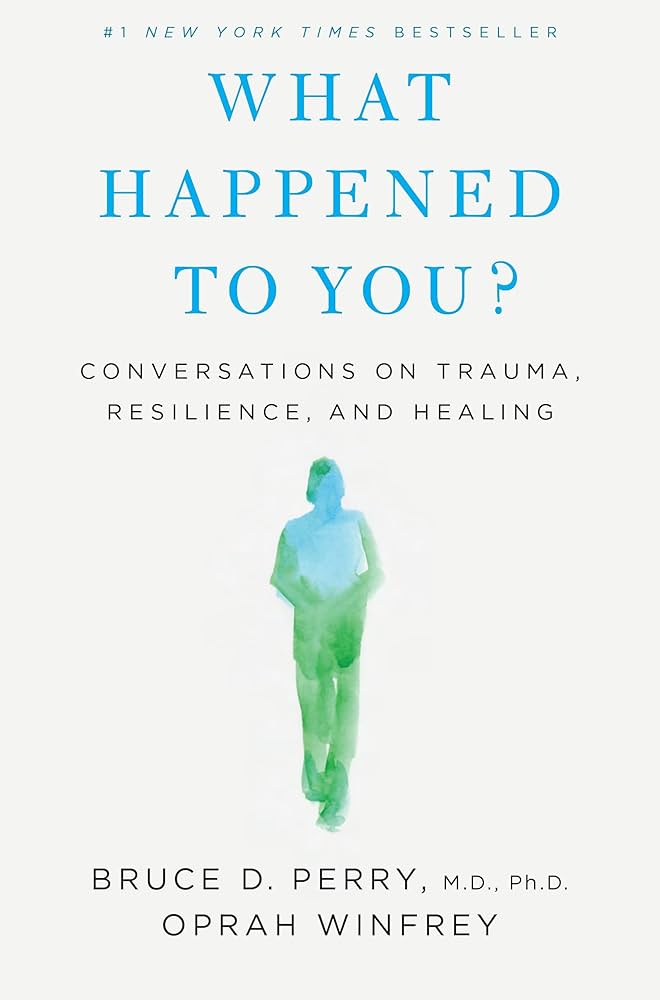
by Bruce D. Perry, MD, PhD and Oprah Winfrey
This is a great resource that invites an understanding of ourselves and others after experiencing trauma. The discussion in the book shifts focus away from the question, "What's wrong with you?" to the question prompted in the title. The easy read content blends a mix science and research with personal stories, which in turn provides context and depth to the data and information shared. If you're curious about the effects of trauma through a developmental lens, give this book a go.
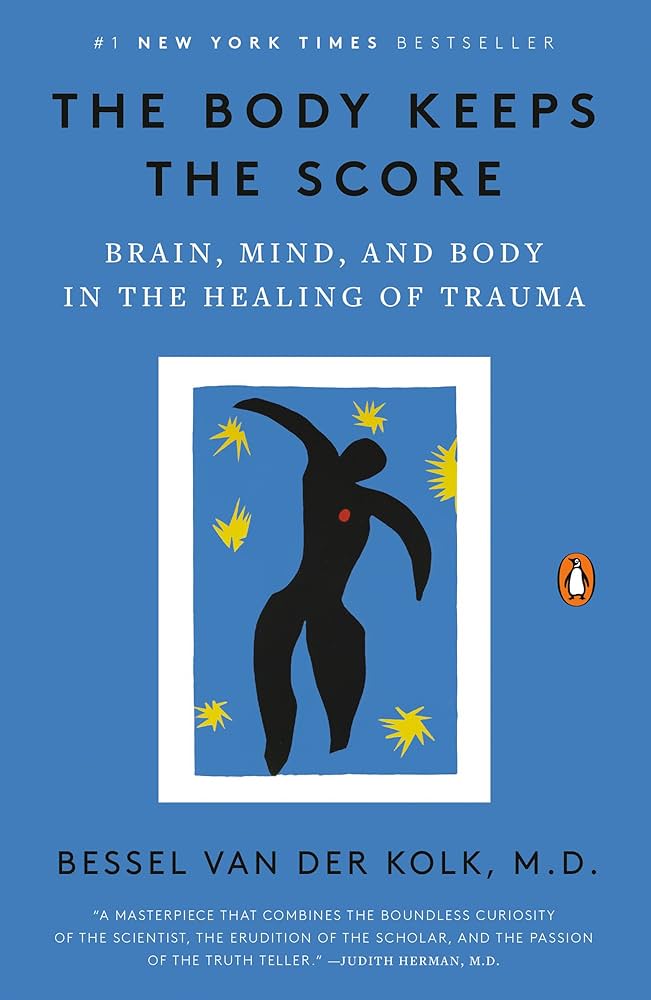
by Bessel van der Kolk, MD
This book offers a wealth of scientific facts and information stemming from the author's work and research as a neuroscientist and psychiatrist in the field of trauma. The content not only discusses the physical and psychological effects of trauma, but it also covers multiple treatment methods for survivors. This literature does a great job of explaining neuroplasticity in the brain and its ability to change and heal after undergoing trauma. Overall, this is a must read for those seeking a solid, fundamental understanding of trauma.
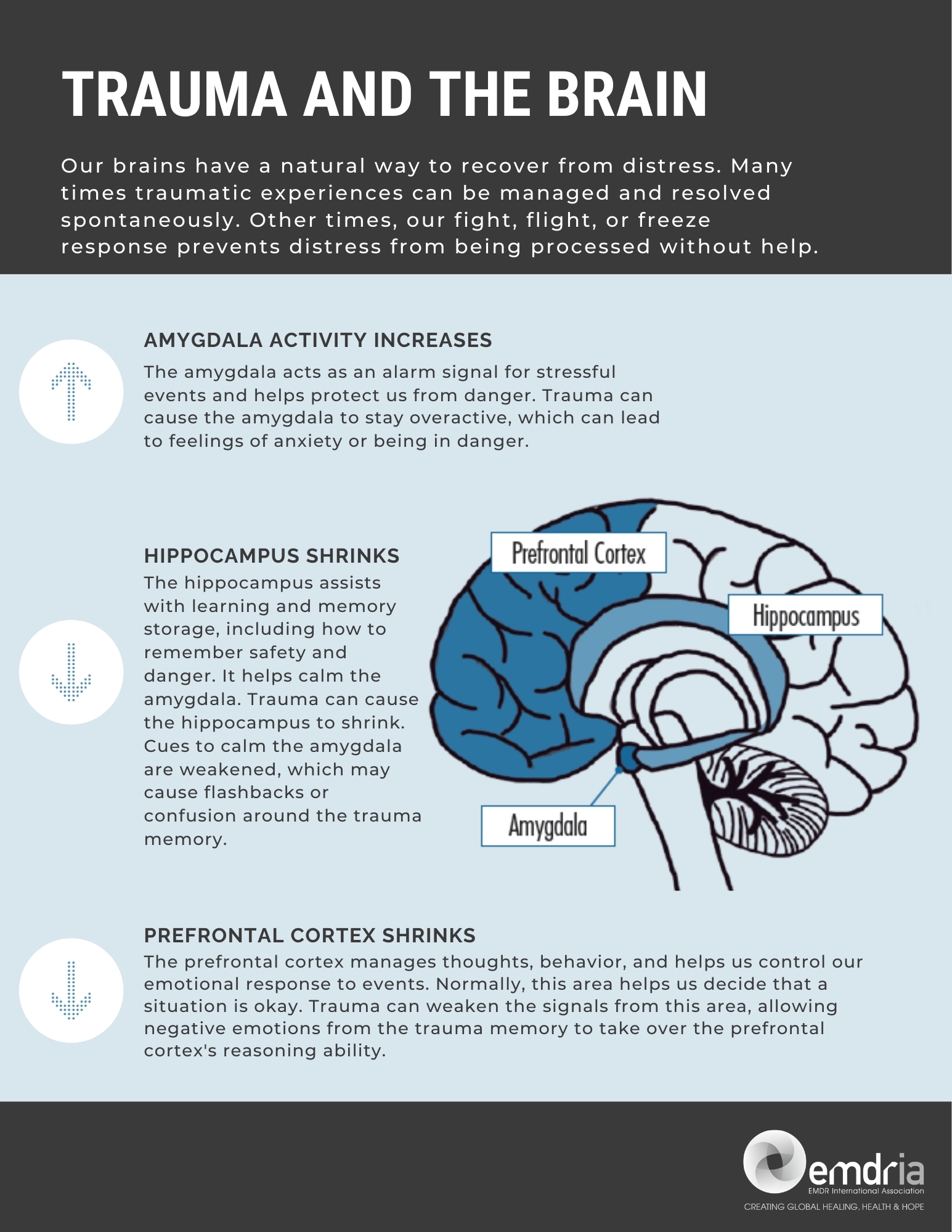
Effects on the Brain from Trauma
Get a closer look at the different regions of the brain impacted by trauma as outlined by EMDR International Association (EMDRIA).
A Big Think Video - What is Trauma?
The term "trauma" get used much today that it's original and true intention may be ambiguous to some.
To get a clear definition of trauma, check out this Big Think video with Dr. Bessel van de Kolk as he explains this concept and addresses misconceptions.
Ready to move from adapting to flourishing?
Schedule a free, 15-minute video consultation with Janice, a trauma-informed therapist with trauma-treatment tools.